
DSCR loan requirements
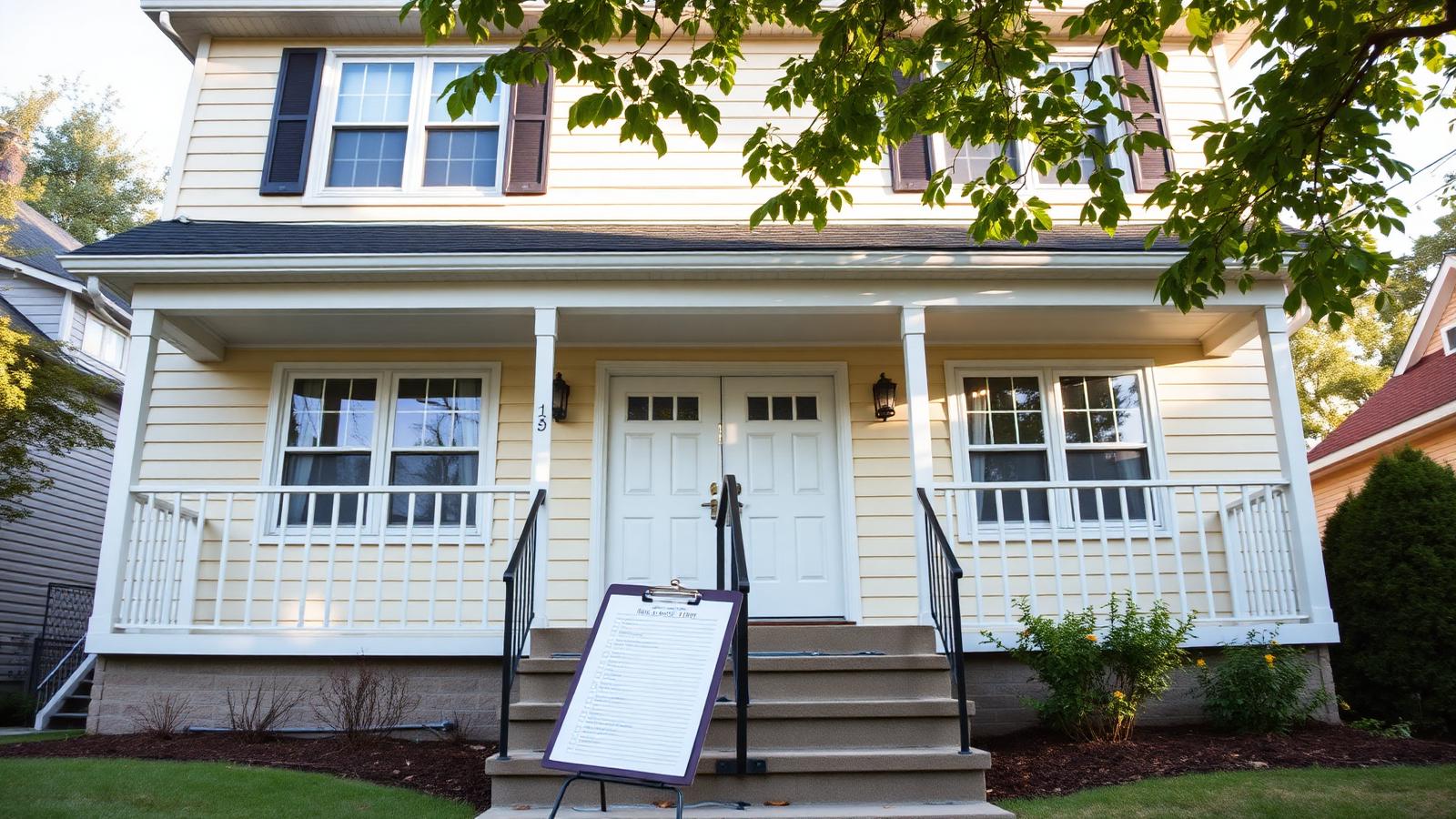
What are the requirements for a DSCR loan?
Everything a DSCR loan requires — 660+ FICO, 1.00 DSCR for full leverage, 20–25% down, 1–6 months reserves, eligible property types, and the exact document list. Final eligibility, pricing, and terms are subject to a complete application, credit and property review, and full underwriting.
- DSCR qualification is property-first: the rent versus PITIA drives approval, not W-2s, pay stubs, or tax returns.
- Typical baseline is 660+ FICO, 20–25% down (up to 80% LTV standard), and a DSCR at or above 1.00.
- Reserves of roughly 3–6 months of PITIA are standard; higher leverage and lower ratios ask for more.
- Properties must be non-owner-occupied 1–4 unit rentals, condos, or eligible small multifamily held for business purposes.
- Requirements shown are general program guidelines, not an approval or commitment to lend.
Debt Service Coverage Ratio is gross monthly rent divided by PITIA — principal, interest, taxes, insurance, and association dues. Clear the ratio, the credit floor, and the reserve requirement and the file works, regardless of what your tax returns show.
Every DSCR requirement, item by item
1–4 unit non-owner-occupied residential, plus 5–8 unit residential on select programs. Warrantable and non-warrantable condos, townhomes, and PUDs are eligible; condotels and rural land carry restrictions.
Rent ÷ PITIA. 1.00+ for full leverage, 1.25+ for best pricing, 0.80 floor on the expanded matrix, and No-Ratio options below that.
20–25% down is typical. Up to 80% LTV on purchase and limited cash-out; 75% on cash-out. 85% is exception-only at 740+ FICO on an SFR.
660 minimum on most programs; 700+ improves pricing and leverage; 720+ is the best-pricing tier.
1–6 months of PITIA verified at closing, scaled by loan size, LTV, and DSCR.
Full interior appraisal plus a rent schedule — Form 1007 for single units or Form 1025 for 2–4 units. Market rent is used when it is lower than the in-place lease.
LLC, LP, or corporation vesting is standard and carries no premium. Personal-name vesting is available on most programs.
Business purpose only. The property must be non-owner-occupied and held as an investment — never a primary or second home.
Get your DSCR Scenario Summary
Complete the short pre-qualification form and we send back a full DSCR analysis: HUD Fair Market Rent, AVM value, calculated DSCR, PITIA breakdown, and the max qualifying loan amount up to 80% LTV.
- HUD FMR rent estimate for the subject property
- AVM property value + max qualifying loan
- Calculated DSCR with PITIA breakdown
- Cash-on-cash and year-one cash flow
Illustration only, generated from the information you enter. Not a loan estimate, pre-qualification, commitment to lend, or approval. Formal pricing, LTV, and terms are issued only after credit review, income/asset documentation, and full underwriting.
How DSCR Requirements Change the Rate You're Quoted
Requirements and pricing are part of the same conversation. Credit profile, coverage ratio, leverage, property type and prepayment structure are all inputs investors price on, which is why two files on the same property can come back differently.
The live options below show what the pricing engine returned most recently for a qualifying scenario. Change a single input in the rate center — leverage, FICO band, or prepayment term — and you can see how much each requirement is actually worth in rate.
Live pricing unavailable — no current pricing response.
Get My Live DSCR Rates
The three cards above are featured examples from the current snapshot. Enter your own property, credit tier, leverage and rent to see every eligible option for your deal.
Rate & Pricing Disclosure: This quote is an indication for the scenario entered and the pricing available at the time shown. Rates and terms are subject to change without notice and may change or may not be available at commitment or closing. This is not a rate lock, loan approval, commitment to lend or offer of credit. APR reflects applicable borrower-paid finance charges and pricing credits for this quote and may be the APR returned with the quote or our own audited calculation where verified borrower-paid finance charges outside the quoted price apply. Additional lender and third-party costs may apply and may not be included in the APR. Payment shown is principal and interest only and excludes taxes, insurance, HOA dues and other applicable costs, so your actual payment will be higher. Simply Approved Mortgages LLC is a mortgage broker, not the funding lender. Business-purpose, non-owner-occupied investment property only. Equal Housing Opportunity.
APR reflects applicable borrower-paid finance charges and pricing credits for this quote. Depending on the option, the APR shown is either the APR returned with that quote or our own audited calculation, used where verified borrower-paid finance charges outside the quoted price apply. Other lender and third-party costs may apply and may not be included in the APR.
Estimated payment is principal and interest only and does not include property taxes, insurance, HOA dues, flood insurance, escrows or other applicable costs.
Rate questions for this page
Which requirement moves my rate the most?
We do not rank them, because the effect of each input varies by investor and scenario. Leverage, credit profile, coverage ratio, property type and prepayment structure are all priced. The practical way to see what a change is worth on your file is to re-price the scenario with that one input changed.
Do I need to meet every requirement to get a quote?
No. We can price the scenario as it stands and show where it lands, then show what changes if a specific input improves.
How FICO and DSCR set your maximum leverage
Leverage is a grid, not a single number: your credit tier and your ratio together decide how much of the purchase price a lender will finance.
| FICO | DSCR ≥ 1.10 | DSCR ≥ 1.00 | DSCR ≥ 0.80 |
|---|---|---|---|
| 720+ | Up to 80% LTV | Up to 80% LTV | Up to 75% LTV |
| 700–719 | Up to 80% LTV | Up to 70% LTV | Up to 70% LTV |
| 680–699 | Up to 80% LTV | Up to 75% LTV | Up to 75% LTV |
| 660–679 | Up to 75% LTV | Up to 75% LTV | Up to 70% LTV |
Illustrative maximums for 1–4 unit purchase and limited cash-out at loan amounts up to $1MM. Larger balances, cash-out, short-term rentals, and non-warrantable condos reduce these figures. Not a commitment to lend.
Documents you will be asked for
Articles of organization, operating agreement, EIN letter, and certificate of good standing.
Government photo ID for each guarantor. Foreign nationals use passport and visa documentation.
Executed lease or rent roll. Where there is no lease, the appraiser's Form 1007 market rent is used.
Landlord (DP-3) policy quote with required coverage limits and mortgagee clause.
Two months of business or personal bank statements showing the required PITIA reserves.
Purchase contract for a purchase, or the current mortgage statement and payoff for a refinance.
A schedule of real estate owned if you already hold rentals — used for experience tiers and portfolio pricing.
No tax returns, no W-2s, no pay stubs, and no personal debt-to-income calculation.
Where DSCR requirements help you — and where they bind
- No income documentation and no DTI ceiling
- Unlimited financed properties
- Entity vesting at no pricing premium
- Self-employed and 1099 investors are not penalized
- The property must carry itself or you add down payment
- Reserves must be verified and seasoned
- Business purpose only — no owner occupancy at any point
- Appraisal and rent schedule drive the file, so a weak 1007 can reprice the deal
Not sure whether your deal clears the grid?
Send the address, rent, and credit range — we'll tell you which tier it lands in before you spend a dollar on an appraisal.
DSCR loan programs
Every DSCR variant we arrange, with the leverage and credit floor that applies to each.
Buy a 1–8 unit rental qualified on market rent or the in-place lease — up to 80% LTV, no tax returns.
Pull equity out of a rental you already own to fund the next purchase. Up to 75% LTV on the strongest tier.
Replace hard money, a maturing bridge, or a higher-rate note with 30-year fixed rental financing.
A revolving line against rental equity — draw only what you need. 700 min FICO, up to 75% CLTV.
A second-position line behind your existing first mortgage on a rental — priced on combined loan-to-value.
For properties that don't fully cover PITIA. Larger down payment and a rate premium instead of a ratio test.
The formula, the rent figure lenders use, and every step from scenario review to closing.
A 10-year interest-only period lowers PITIA, lifts your ratio, and frees monthly cash flow.
The honest ledger — what you gain over conventional financing and exactly what it costs.
Current rate bands by DSCR, LTV, and FICO tier — plus what actually moves your pricing.
Run rent ÷ PITIA in seconds and see which pricing tier your deal lands in.
DSCR requirement questions
What credit score do you need for a DSCR loan?
660 is the general program floor. 700–719 is mid-tier pricing and 720+ reaches the best tier. Scores in the 620–659 range can work with 30% or more down, stronger reserves, and compensating factors.
What is the minimum DSCR ratio?
Most programs want 1.00 or better. Our expanded matrix goes down to a 0.80 floor with adjustments, and No-Ratio options exist below that with a larger down payment and rate premium.
How much down payment does a DSCR loan require?
Typically 20–25%. The standard maximum LTV is 80% on purchase and limited cash-out, and 75% on cash-out at the strongest tier; 85% is exception-only at 740+ FICO on a single-family rental.
Do I need reserves?
Yes — generally 1 to 6 months of PITIA in a verified account at closing, scaled by loan size, leverage, and DSCR. Larger loans and higher LTVs require more.
Do I need an LLC for a DSCR loan?
It is not required, but entity vesting is standard, free of a pricing premium, and preferred by most investors. You can also close in your personal name on most programs.
Can a first-time investor get a DSCR loan?
Yes on many programs, though some require prior ownership or property-management experience at higher leverage. First-time investors typically see slightly lower maximum LTV.
What documents are required?
Entity documents, government ID, an insurance quote, a lease or rent schedule, bank statements for reserves, and a purchase contract or existing mortgage statement. No tax returns, W-2s, or pay stubs.
Is there a minimum loan amount?
Our DSCR programs generally start at $75,000–$100,000 and run to $3,500,000. Very small loan balances price higher because fixed costs are spread over less principal.
Can I qualify for a DSCR loan with no credit history?
Thin-file or no-score borrowers generally don't fit standard DSCR guidelines, which require an established FICO score. Some programs offer alternative-credit review, but expect a higher down payment and additional documentation.
Do DSCR loans require a business entity to already exist?
No — you can close in your personal name on most programs, or form an LLC before closing if you prefer entity vesting, which is standard practice among investors and carries no pricing premium.
Is prior landlord experience required?
Not on most programs, though first-time investors may see slightly lower maximum leverage. Prior ownership or property-management experience can unlock the higher end of a program's LTV range.
What property condition requirements apply?
The property must be safe, sound, and habitable per the appraisal, with no significant deferred maintenance. Properties needing substantial rehab typically need to be renovated first or financed through a separate bridge product.
Guidelines shown are illustrative and vary by lender, property, and state. Eligibility, terms, and availability are subject to underwriting and approval. Not a commitment to lend. Business-purpose loans only.
Related programs & tools
The main program: qualify on the property's rent instead of your tax returns.
Underwrite nightly-rate revenue from trailing 12-month actuals or market projections.
Voucher-backed rent with the HAP portion treated as the conservative qualifying income.
Short-term, asset-based financing when you need to close before a refinance or sale.
Purchase plus rehab draws on a 12-month interest-only term for value-add projects.
Current rate bands across every business-purpose program we place.
How We Evaluate This Scenario
Most programs test the same short list: a minimum coverage ratio (commonly around 1.00, with lower-ratio and no-ratio options at reduced leverage), an LTV cap that varies by purpose and property type, seasoned reserves measured in months of PITIA, and clean title in the borrowing entity.
The stumbling blocks are usually documentary rather than financial. A rent schedule that comes in below the lease, reserves sitting in an account that cannot be sourced, or entity and vesting documents produced late are what push a closing date.
Assembling the LLC operating agreement, articles, EIN letter, two months of reserve statements, and an insurance quote before you shop removes most of the friction from the first week of underwriting.
Reviewed by Simply Approved Mortgages · NMLS #2620881. Business-purpose investor lending only.
See whether your property qualifies
A short pre-qualification request is all it takes to get a scenario review.
Get Your Personalized Rate QuoteGet your personalized investor loan quote
Pick the loan type that fits your deal and complete a short, tailored pre-qualification. A licensed loan officer follows up with an initial scenario review once we have your credit authorization and supporting documents — usually the same business day. Formal pricing and terms follow underwriting.
Pick a loan type
You can change this any time.Tell us about your scenario
The form below is tailored to DSCR rental loan — only the questions your program needs.